

P0302 code, A P0302 code indicates that your vehicle’s engine control module (ECM) has detected repeated misfires inside cylinder 2. When a cylinder misfires, its air-fuel mixture fails to combust properly, leaving unburned fuel to dump into the exhaust system while causing immediate power loss, rough idling, and engine vibration. Left unaddressed, driving with an active cylinder 2 misfire can melt your catalytic converter and escalate a simple ignition fix into thousands of dollars in exhaust repairs.
- Primary culprit: Worn spark plugs, weak ignition coils, or faulty fuel injectors on cylinder 2.
- Severity: Moderate if the check engine light stays solid; critical and unsafe to drive if the light flashes.
- DIY diagnostic secret: Swap the cylinder 2 ignition coil to another cylinder before buying parts; if the trouble code follows the coil, you found the failure for zero dollars.
- Average repair cost: Anywhere from $20 for a fresh spark plug up to $350 for a professional ignition coil replacement.
When the check engine light pops on, your first instinct might be panic, followed closely by the urge to rush to an auto parts store and purchase new spark plugs, coils, and sensors. Resist that urge. Throwing parts at modern engines wastes hard-earned cash on components that may still have tens of thousands of miles of life left. Learning the exact failure point through a structured, zero-cost diagnostic process gives you control over the repair, whether you turn your own wrenches or hand the keys to a trusted mechanic.
Symptoms of a Cylinder 2 Misfire (How Your Car Behaves)
Modern powertrains monitor crankshaft velocity with extreme precision. Every time cylinder 2 reaches its combustion stroke, the crankshaft should accelerate slightly. If combustion fails or delivers weak power, the crankshaft decelerates, prompting the ECM to log a misfire event. Depending on whether the misfire is intermittent or constant, cylinder 2 misfire symptoms can range from subtle hesitations to aggressive mechanical shaking.
A flashing check engine light represents the most alarming symptom. When the light blinks steadily while driving, the misfire is severe enough that raw fuel is pouring through the exhaust valves directly into the catalytic converter. A steady, illuminated check engine icon means the computer detects occasional or low-load misfires that require prompt attention but have not yet overwhelmed the exhaust system.
Physical symptoms become obvious the moment you bring the vehicle to an idle at a stoplight. Instead of a smooth hum, the engine vibrates through the steering wheel, cabin floor, and gear shifter. Under load—such as merging onto a highway, climbing a steep hill, or pulling a trailer—the car feels sluggish, stumbles, or bucks erratically. Gas mileage drops noticeably because one entire combustion chamber is consuming fuel without turning it into kinetic energy. Drivers frequently catch the pungent smell of raw gasoline or a rotten-egg sulfur stench drifting from the tailpipe as unspent fuel scorches the exhaust ceramics.
Can You Drive with Code P0302?
The short answer depends entirely on whether your check engine light is solid or flashing. If the dashboard light remains solid, your vehicle is running in a degraded state, but you can typically drive short distances at gentle throttle—enough to get home or reach a local repair facility. Avoid highway speeds, heavy towing, or aggressive acceleration, which place high thermal demands on an already unbalanced engine.
If the check engine light begins flashing, pull over safely and shut the engine off immediately. A flashing light warns of catalyst destruction in progress. When raw, unburned gasoline hits a catalytic converter running at 1,200 to 1,600 degrees Fahrenheit, the fuel ignites inside the honeycomb substrate. This thermal event melts the precious metals within minutes, turning a simple $25 plug swap into a massive exhaust overhaul. Reviewing P0420 Code: 5 Ways to Fix Your Catalytic Converter Issues reveals just how quickly misfires ruin downstream exhaust components and how expensive converter replacements become.
A flashing check engine light is an emergency shutdown command, not a friendly reminder. Tow the vehicle to prevent a $50 ignition issue from turning into a $2,000 exhaust replacement.
Common Code P0302 Causes Ranked by Frequency
Combustion requires three fundamental ingredients: a precise burst of spark, an accurate ratio of air and atomized fuel, and mechanical compression within the cylinder. Any disruption to these elements will cause code P0302 causes to manifest. We can rank the common culprits by how often they surface on the service rack.
1. Ignition System Failures (Approx. 70% of Cases)
Ignition components experience extreme heat and high electrical voltage every second an engine runs. Spark plugs wear out over time; their electrode gaps widen, demanding higher voltage to create an arc across the gap. Eventually, the ignition coil pack cannot supply enough voltage, or the coil’s internal winding shorts out from thermal fatigue. Cracked spark plug boots, carbon tracking along the porcelain insulator, or oil leaking into the spark plug tube from a worn valve cover gasket will divert the electrical charge away from the combustion chamber, starving cylinder 2 of spark.
2. Fuel Delivery Complications
Direct or port fuel injectors open and close thousands of times per minute. Over tens of thousands of miles, varnish, fuel impurities, and carbon buildup choke the tiny nozzles on the cylinder 2 fuel injector. A partially clogged injector sprays uneven fuel droplets instead of a fine mist, resulting in a lean misfire. Conversely, a stuck-open injector floods the chamber with fuel, causing a rich misfire accompanied by fuel-soaked plugs and black exhaust smoke. Wiring harness corrosion or severed injector control wires can also prevent the solenoid from opening entirely.
3. Air Intake and Vacuum Leaks
An engine needs an airtight pathway between the mass air flow sensor and the intake valves. If the intake manifold gasket tears, degrades, or warps near the intake runner feeding cylinder 2, unmetered atmospheric air gets sucked into that specific combustion chamber. This localized vacuum leak dilutes the mixture beyond combustible limits at idle, often triggering lean misfires. In these instances, you may pull companion trouble codes like the ones described in our guide on P0171 Code: Step-by diagnostic procedures.
4. Mechanical and Compression Losses
Internal mechanical failures are rarer, but they carry the steepest repair bills. If cylinder 2 loses compression, no amount of spark or fuel will generate combustion. Compression loss occurs when a cylinder head gasket breaches between cylinder 2 and an adjacent cylinder or water jacket. It also happens when an exhaust valve burns, valve springs crack, carbon builds up along valve seats, or piston rings seize inside their ring lands. Examining P0008 Code: Symptoms, Causes, and Costly Mistakes to Avoid shows how broader timing chain slack can alter valve timing, leading to localized misfire events across specific engine banks.
How to Find Cylinder 2 on Your Engine
Before you can begin any hands-on testing, you must locate cylinder 2 correctly. Pulling parts off the wrong cylinder wastes hours and leads to misdiagnoses. Always consult your vehicle’s service manual or an under-hood emissions sticker to confirm the firing order and cylinder layout, as manufacturers use different configurations.
Inline 4-Cylinder Engines
Transverse and longitudinal inline-4 engines follow a straightforward sequence. Cylinder 1 sits closest to the front of the engine—the side with the serpentine accessory belts, alternator, and crankshaft pulley. Cylinder 2 is the very next cylinder back, positioned right beside cylinder 1. The sequence counts sequentially from 1 to 4 toward the transmission or transaxle.
V6 and V8 Engines
V-shaped engine configurations split their cylinders into two distinct banks: Bank 1 and Bank 2. Bank 1 contains cylinder 1 and is physically offset slightly forward relative to the opposing bank on the crankshaft centerline. Bank 2 sits on the opposite side of the engine block.
Numbering conventions differ by manufacturer. Ford, for example, typically numbers cylinders sequentially along each bank. On many Ford V8 models, Bank 1 holds cylinders 1, 2, 3, and 4 on the passenger side, meaning cylinder 2 is the second cylinder back on the right-hand bank. In contrast, General Motors, Chrysler, and many Asian manufacturers use an alternating pattern, placing odd-numbered cylinders (1, 3, 5, 7) on Bank 1 and even-numbered cylinders (2, 4, 6, 8) on Bank 2. On a Chevy small-block, cylinder 2 is the very first cylinder at the front of Bank 2 on the driver side. Taking five minutes to verify your exact engine layout saves substantial frustration.
Step-by-Step DIY Diagnostic Process (The Component Swap Trick)
Rather than guessing which component failed, use the scientific process of elimination. The component swap method isolates faulty ignition parts without buying diagnostic tools or replacement hardware.
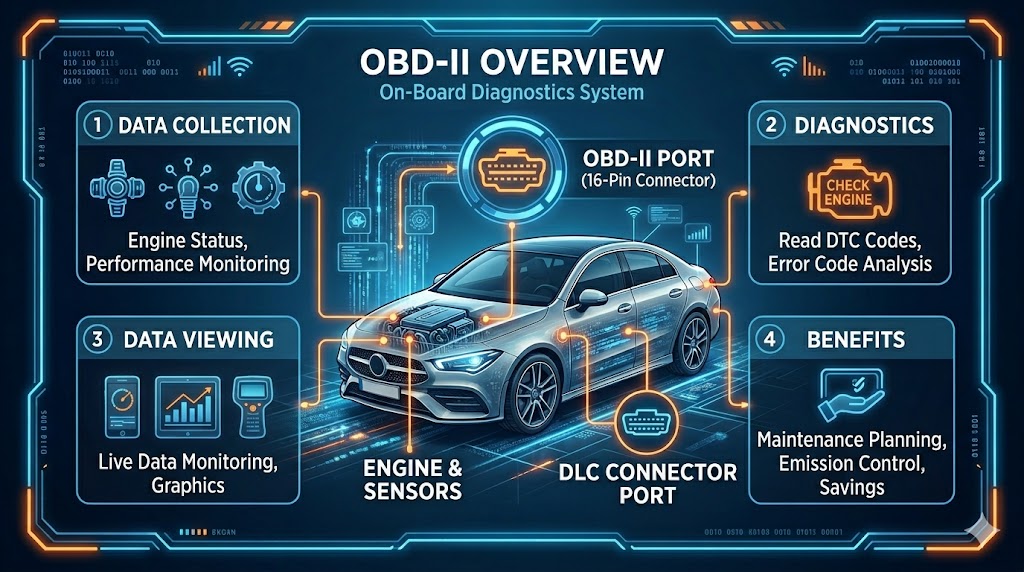
- Scan for Companion Trouble Codes: Connect an OBD-II scanner to read active, pending, and permanent codes. If you see multiple misfire alerts such as a P0300 Code: Causes, Symptoms & How to Fix It Fast or a nearby companion like P0301 Code: Causes, Symptoms & How to Fix It, your issue may be systemic (fuel pressure, mass air flow, or vacuum supply) rather than isolated to cylinder 2. Broaden your troubleshooting by consulting Engine diagnostic codes: Your Complete Guide to OBD2 to read full freeze frame records.
- Perform a Visual Inspection: Pop the engine cover and closely inspect the wiring harness connecting to cylinder 2. Look for chewed wires from rodents, brittle plastic locking tabs on electrical connectors, and pinched grounds. Check the vacuum lines running along the upper intake plenum for dry rot or disconnection.
- The Ignition Coil Swap: Turn off the vehicle, disconnect the negative battery terminal, and locate the ignition coil on cylinder 2. Unplug its electrical harness and remove the retaining bolt. Pull the coil out cleanly. Next, remove the coil from cylinder 1 (or cylinder 3). Swap them: install the cylinder 2 coil onto cylinder 1, and place the known-good cylinder 1 coil into cylinder 2. Reconnect everything, reconnect the battery, clear the trouble codes with your scanner, and take the vehicle for a test drive until the check engine light returns. If the new code is P0301, the coil is defective; replace that single coil. If the code remains P0302, your ignition coil is working properly, and the fault lies elsewhere.
- Inspect the Spark Plug: If swapping coils didn’t move the misfire, pull the spark plug from cylinder 2 using a dedicated spark plug socket. Inspect the tip. A light tan or grey color indicates clean combustion. Heavy black soot points to fuel fouling or incomplete spark. Wet motor oil indicates leaking valve stem seals or a failed spark plug tube seal. A thick, crusty white deposit suggests coolant consumption from a blown head gasket. Measure the electrode gap with a feeler gauge against your vehicle’s factory specifications. If the plug is aged, cracked, or out of spec, install a fresh set.
- Test the Fuel Injector Solenoid: If spark components check out, verify the fuel injector. With the engine idling, place the metal tip of a long mechanic’s stethoscope or a long screwdriver firmly against the body of cylinder 2’s fuel injector. Press your ear to the handle. You should hear a distinct, steady clicking noise matching engine RPM as the internal pintle opens and closes. Silence or a muffled, irregular tap points to an electrical failure or a stuck solenoid.
- Verify Compression and Cylinder Sealing: If spark and fuel pass inspection, rent a compression testing kit from an auto parts retailer. Remove all spark plugs, disconnect the fuel pump fuse, thread the gauge adapter into the cylinder 2 spark plug well, and crank the engine for 4 to 5 compression strokes. Compare the maximum PSI against factory standards (usually 140 to 180 PSI) and check adjacent cylinders. If cylinder 2 produces significantly lower compression than its neighbors, perform a wet compression test by squirting a teaspoon of motor oil into the plug hole to distinguish between worn piston rings and leaky valves.
How to Fix P0302 and Repair Costs
Fixing a cylinder 2 misfire can cost as little as pocket change if caught early, or run well into four figures if internal mechanical parts let go. The following table contrasts standard DIY parts expenditures with average professional shop invoices, factoring in labor rates of roughly $120 to $160 per hour.
| Repair Type | DIY Parts Cost | Professional Mechanic Cost | Difficulty Level |
|---|---|---|---|
| Spark Plug Replacement (Set) | $15 – $40 | $100 – $220 | Beginner |
| Ignition Coil (Single Unit) | $35 – $110 | $160 – $340 | Beginner |
| Fuel Injector Replacement | $60 – $180 | $220 – $480 | Intermediate |
| Intake Manifold Gasket | $25 – $65 | $280 – $550 | Intermediate / Advanced |
| Valve Cover & Tube Seals | $30 – $75 | $200 – $420 | Intermediate |
| Head Gasket / Valve Job | $150 – $350 | $1,400 – $2,800+ | Advanced / Professional |
Notice the massive cost gap on simpler tasks. Replacing a single ignition coil or a set of spark plugs requires basic hand tools, safety glasses, and less than an hour in your driveway. Conversely, paying a shop includes diagnostic fees, retail markups on original equipment parts, and minimum labor charges. Doing the free coil swap test upfront prevents you from paying an hour of diagnostic labor just for a technician to discover a loose connector.
Conclusion
A cylinder 2 misfire is an urgent warning from your powertrain, but it does not mean your engine is beyond saving. Resisting the urge to blindly buy new parts keeps money in your wallet and teaches you how your engine truly operates. By understanding whether your check engine light is signaling an immediate hazard, verifying the location of cylinder 2, and utilizing zero-cost diagnostic methods like the coil swap trick, you can systematically pin down the root cause. Treat the misfire with the urgency it demands, eliminate bad ignition components first, and keep your vehicle running smoothly for years to come.
Frequently Asked Questions
Will a P0302 code clear itself after fixing the problem?
Yes, modern engine control modules run diagnostic monitor cycles called drive cycles. Once you fix the root cause, the computer needs to complete two to three consecutive drive cycles without detecting a misfire before it turns off the check engine light automatically. You can also clear the code immediately using an OBD-II scanner.
Can bad fuel cause a single-cylinder misfire like code P0302?
Bad fuel contaminated with water or debris usually causes random, multi-cylinder misfires logged under code P0300. However, if a piece of particulate matter bypasses the fuel filter and lodges directly inside cylinder 2's fuel injector nozzle, it can cause an isolated single-cylinder misfire.
What happens if I ignore a P0302 code?
Ignoring the code allows unburned fuel to travel through the exhaust stream, overheating and melting the internal ceramic core of your catalytic converter. Prolonged misfires can also wash away the protective oil film on cylinder walls, causing premature piston ring wear, cylinder scoring, and catastrophic loss of compression.
Can a vacuum leak trigger code P0302 without throwing a lean code?
Yes, if an intake manifold gasket fails directly adjacent to the cylinder 2 intake port runner, that specific cylinder can run excessively lean and misfire before the overall exhaust stream registers lean enough at the upstream oxygen sensor to trigger a separate lean code.
Why does my cylinder 2 misfire only occur when the engine is cold?
Cold-engine misfires frequently point to intake manifold gasket shrinkage, minor valve seat carbon accumulation, or hairline cracks in an ignition coil housing. As the engine warms up, thermal expansion seals tiny gasket leaks or micro-fractures in plastic coil bodies, temporarily restoring normal combustion.
