

p0003 code is a diagnostic trouble code (DTC) that indicates a low voltage condition within the fuel volume regulator control circuit. This specific code is most frequently encountered in common rail diesel engines and modern gasoline direct-injection (GDI) vehicles. When the Engine Control Module (ECM) or Powertrain Control Module (PCM) detects that the electrical signal sent to the fuel volume regulator is consistently below the expected threshold, it registers this fault code and illuminates the dashboard check engine light to alert the driver.
- Core Issue: Electrical low voltage in the fuel volume regulator control circuit.
- Primary Symptoms: Engine stalling, sudden loss of power, hard starting, or a complete no-start condition.
- Common Causes: Chafed wiring harnesses, corroded electrical connectors, a failed fuel volume control solenoid, or PCM glitches.
- Repair Complexity: Moderate; requires basic diagnostic tools like a digital multimeter (DMM) and an OBD-II scanner.
What Does the P0003 Code Mean?
To understand the p0003 code, you must first understand how modern fuel delivery systems regulate high pressure. Modern engines rely on precise fuel pressure to ensure complete combustion and optimal fuel efficiency. If you are learning the fundamentals of automotive systems from scratch, you might want to read our guide What is a Car? – The Ultimate 2025 Guide to Automobiles & How They Work | CarAutomobileHub | OBD to understand how fuel delivery integrates with overall engine operation.
The fuel volume control valve (FVCV) or regulator is typically mounted on the high-pressure fuel pump. The ECM uses a pulse-width modulated (PWM) signal to constantly adjust this valve, controlling how much fuel enters the pumping chamber. When the ECM detects that the return signal voltage from this circuit is abnormally low, it triggers the code p0003. This is classified as a circuit-specific code, meaning the issue is almost always electrical rather than mechanical.
Common Causes of Code P0003
Identifying the root cause of the p0003 code requires a systematic inspection of the vehicle’s electrical circuit. Several factors can cause the voltage to drop below acceptable parameters:
- Damaged Wiring Harness: Wires leading to the fuel volume regulator can rub against hot or vibrating engine components, causing the insulation to wear away and shorting the circuit to the ground.
- Corroded Connectors: Because the fuel volume regulator is located in the engine bay, it is exposed to heat, moisture, and road salt, which can corrode the connector pins and cause high resistance.
- Faulty Fuel Volume Control Valve Solenoid: The internal solenoid coil inside the regulator can short-circuit or suffer an open circuit, preventing current from flowing correctly.
- Defective ECM/PCM: Although rare, an internal failure in the engine control module’s driver circuit can prevent it from sending the correct reference voltage.
Symptoms of the P0003 Code
When your vehicle triggers the p0003 code, the symptoms are usually severe enough to affect daily drivability. Unlike transmission-related diagnostic codes such as What is P0700 Code and how to fix it? | CarAutomobileHub | OBD, which primarily impact gear shifting, a fuel delivery circuit error directly impacts the combustion process.
Here is a breakdown of the most common symptoms associated with this diagnostic trouble code:
| Symptom | Description | Severity Level |
|---|---|---|
| Check Engine Light | The OBD-II warning light illuminates instantly on the dashboard. | Low |
| Engine Stalling | The engine may cut out suddenly while driving or idling due to inconsistent fuel pressure. | High |
| No-Start Condition | The engine cranks but fails to start because the high-pressure pump cannot build sufficient pressure. | High |
| Limp Mode | The ECM limits engine RPM and power output to protect sensitive fuel system components. | Medium |
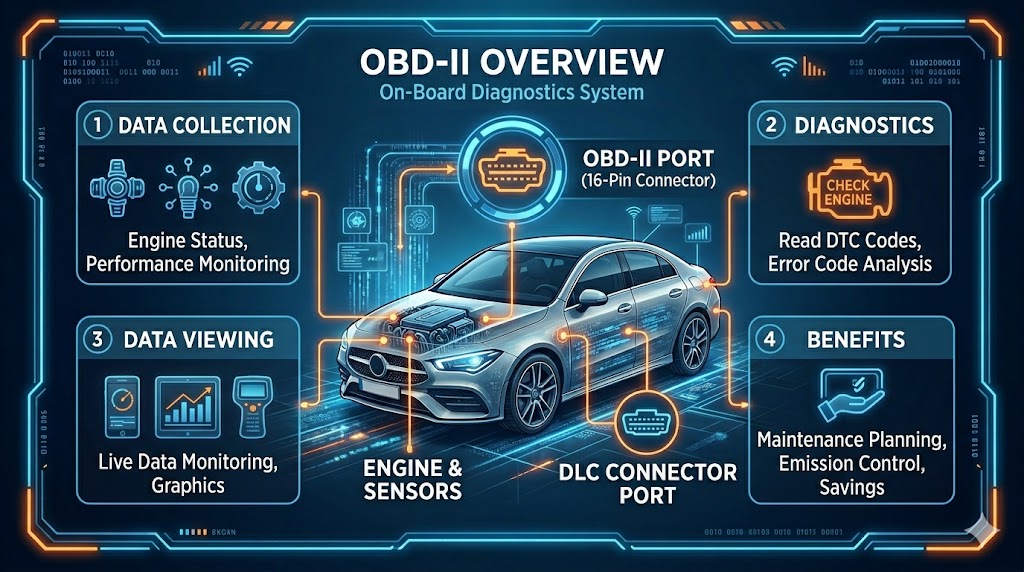
How to Diagnose the P0003 Code
Diagnosing the code p0003 requires a systematic approach using a digital multimeter (DMM) and an OBD-II scanner. Follow these steps to pinpoint the exact failure point:
Step 1: Perform a Thorough Visual Inspection
Begin by locating the fuel volume regulator on your high-pressure fuel pump. Inspect the wiring harness leading to the regulator for any signs of chafing, burns, or broken wires. Unplug the electrical connector and inspect the pins inside for green corrosion, dirt, or moisture. Clean the connector with electrical contact cleaner if necessary.
Step 2: Check Circuit Voltage
Disconnect the wiring harness from the fuel volume control valve. Turn the vehicle’s ignition to the “ON” position without starting the engine. Set your digital multimeter to DC volts and measure the voltage at the harness connector. You should see a reference voltage (typically 5V or 12V depending on the manufacturer). If there is no voltage, there is an open circuit or a short-to-ground between the connector and the ECM.
Step 3: Test the Solenoid Resistance
Set your multimeter to the Ohms (Ω) setting. Place the meter leads on the two terminals of the fuel volume control valve solenoid. Compare your resistance reading to the manufacturer specifications found in your vehicle’s service manual. If the reading is 0 ohms (a short circuit) or infinite ohms (an open circuit), the solenoid has failed internally and the regulator must be replaced.
How to Fix and Repair the P0003 Code
Once you have diagnosed the exact cause of the p0003 code, you can proceed with repairs. If the repair costs are too high and you are considering upgrading your vehicle instead, you might want to use the Volkswagen Configurator: The Ultimate 2025 Guide to Building Your Perfect VW | CarAutomobileHub | OBD to customize your next vehicle, or read our expert guide on How to Negotiate Car Price: 2025 Expert Guide to Save Big | CarAutomobileHub | OBD to ensure you get the absolute best deal.
If you choose to repair your current vehicle, use the following steps to resolve the issue:
- Repair Damaged Wiring: Cut out any chafed or broken sections of the wiring harness. Solder in new wire of the same gauge and seal the repair with heat-shrink tubing to prevent moisture entry.
- Replace the Connector: If the connector housing or pins are badly corroded, purchase a replacement pigtail connector, splice it into the harness, and secure it.
- Replace the Fuel Volume Control Valve: If the valve solenoid fails the resistance test, remove the mounting bolts, pull the old valve out of the high-pressure pump, lubricate the O-rings on the new valve with clean fuel, and install it.
- Clear the Trouble Code: Connect your OBD-II scanner to the vehicle’s diagnostic port, clear the stored codes, and perform a test drive to verify that the check engine light does not return.
Conclusion
In conclusion, the p0003 code is a critical diagnostic trouble code that directly impacts your engine’s fuel delivery system. Because it is primarily an electrical circuit issue, taking the time to test the wiring, connectors, and solenoid resistance can prevent you from replacing expensive mechanical components unnecessarily. Addressing this issue promptly ensures your vehicle remains reliable, efficient, and safe on the road.
Frequently Asked Questions
Can I drive my vehicle with a P0003 code?
It is highly recommended that you do not drive with a P0003 code. Because this code indicates a failure in fuel volume regulation, your engine could stall suddenly or enter limp mode, creating a safety hazard.
What is the most common cause of the P0003 code?
The most common causes are damaged or chafed wiring harnesses leading to the fuel volume control valve, or corrosion inside the electrical connector pins.
Where is the fuel volume regulator located?
The fuel volume regulator, or fuel volume control valve, is typically mounted directly on the high-pressure fuel pump in the engine bay.
Does a P0003 code mean I need a new fuel pump?
No, a P0003 code does not necessarily mean you need a new fuel pump. The code points to an electrical circuit issue with the regulator valve, which can often be replaced separately from the pump itself.
How do I clear the P0003 code after making repairs?
You can clear the code by plugging an OBD-II scanner into your vehicle's diagnostic port, selecting the clear codes option, and then performing a drive cycle to confirm the fix.
